
Strengthening people-centred justice through global collaboration, knowledge exchange, and practical pathways for rehabilitation, reintegration, and systemic reform
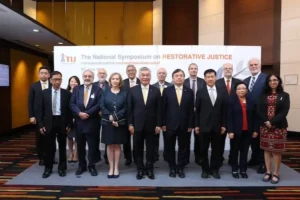
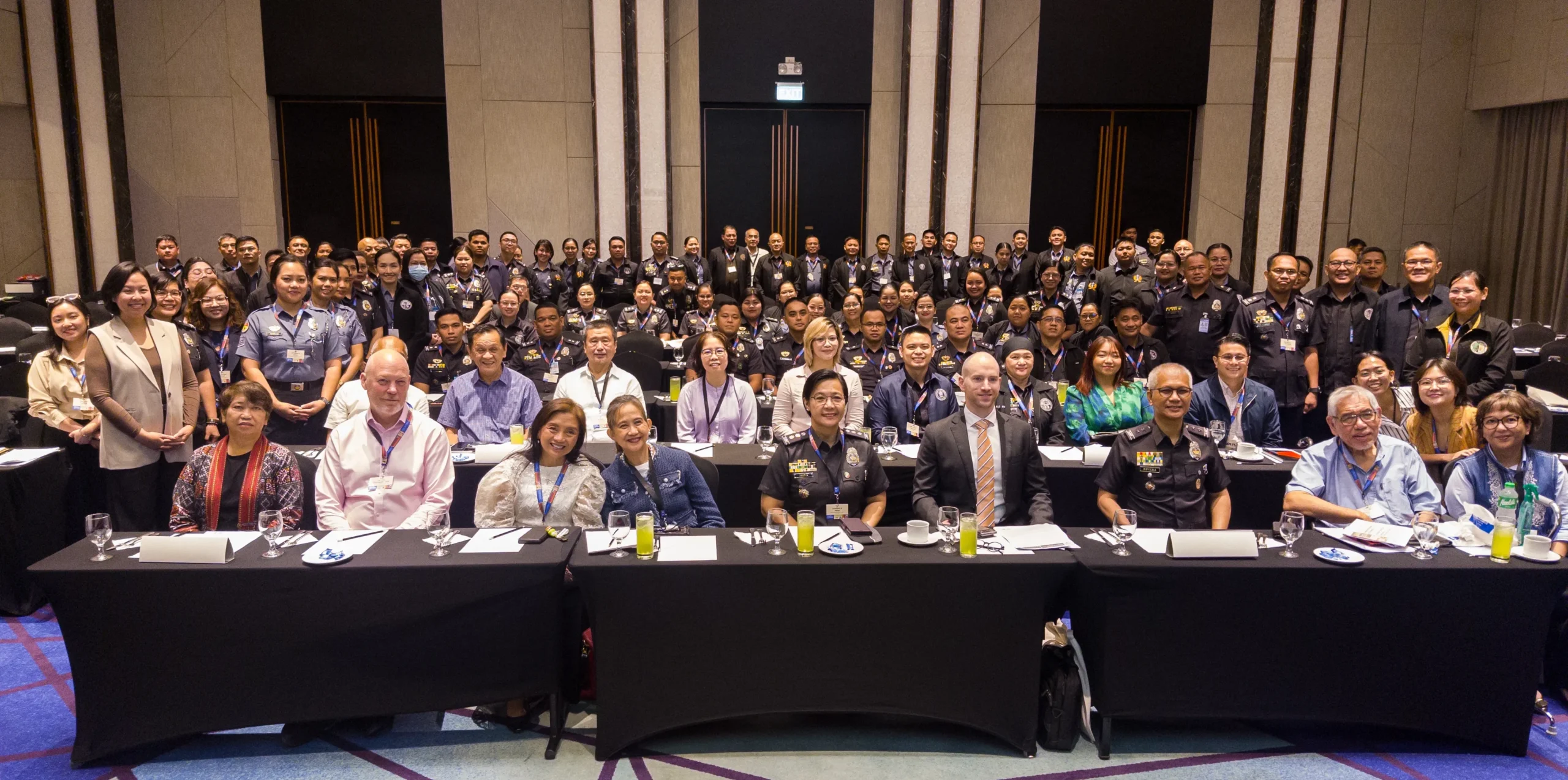
The Thailand Institute of Justice (TIJ) participated in the Restorative Justice Training and Conference 2025, in collaboration with the Bureau of Jail Management and Penology (BJMP) and Climate Conflict Action Asia (CCAA). The engagement reflects a shared commitment to advancing restorative justice (RJ) through knowledge exchange, practice-based learning, and the strengthening of people-centred justice systems.
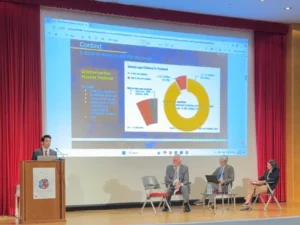
As a recognised contributor to the development of restorative justice in Thailand and the region, TIJ was honoured to share its experiences and good practices in RJ implementation. The conference served as a platform for dialogue on the transformative potential of RJ as an approach that promotes healing, restores dignity, and fosters social cohesion.
The discussions focused on the intersection of criminal justice and peacebuilding, highlighting systemic and operational challenges such as prison overcrowding, limited resources, inadequate rehabilitation support, and structural barriers within justice systems. Participants also examined the importance of strengthening legal frameworks, human rights protections, and anti-stigmatisation measures for Persons Deprived of Liberty (PDLs).
Through scenario-based learning and interactive sessions, practitioners explored practical applications of RJ within correctional settings, including victim–offender dialogue, family engagement, peer relationships among PDLs, and reintegration into society. The sessions further emphasised trauma-informed and non-discriminatory approaches, ensuring that justice processes prioritise dignity, healing, and meaningful participation.
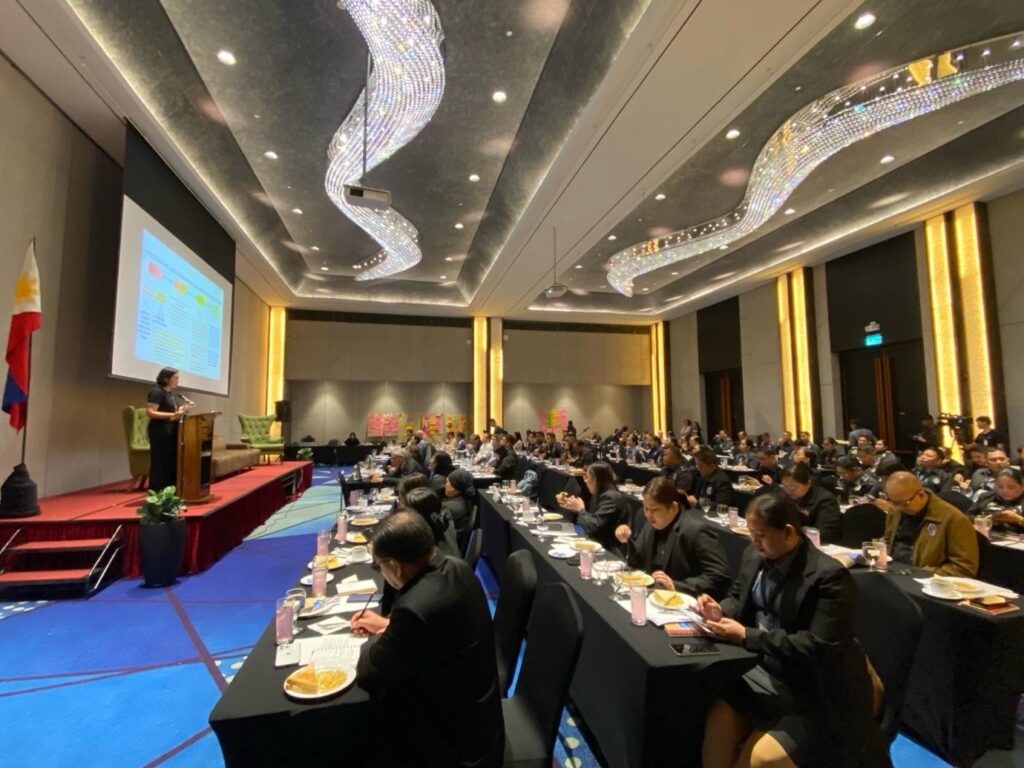
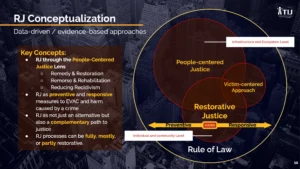
Key reflections from the conference underscored the growing recognition of RJ as an alternative justice approach capable of addressing systemic challenges such as recidivism and overcrowding, while also strengthening rehabilitation and community reintegration outcomes. Participants expressed strong commitment to advancing institutional reform and expanding RJ practices through cross-sector collaboration.
TIJ reaffirmed its role in promoting people-centred justice systems, supporting inclusive RJ implementation for victims, offenders, and incarcerated individuals. The engagement also opened pathways for future collaboration with regional partners to co-develop training, tools, and knowledge exchange initiatives aimed at strengthening restorative justice practice across jurisdictions.
This participation further reflects TIJ’s ongoing commitment to advancing justice systems that are fair, inclusive, and grounded in respect, dignity, and restoration for all.